{
“@context”: “https://schema.org”,
“@type”: “Article”,
“headline”: “Why Your Brand Needs an Integrated Agency in 2026”,
“datePublished”: “”,
“author”: {
“@type”: “Person”,
“name”: “”
}
}{
“@context”: “https://schema.org”,
“@type”: “FAQPage”,
“mainEntity”: [
{
“@type”: “Question”,
“name”: “How does an integrated agency improve my search visibility in 2026?”,
“acceptedAnswer”: {
“@type”: “Answer”,
“text”: “An integrated agency improves search visibility by aligning your technical architecture with semantic content strategies. In 2026, search engines prioritize brands that demonstrate topical authority and entity consistency across the web. By managing your topical maps, structured data, and authority ecosystem in a unified manner, an integrated agency ensures that AI discovery engines can easily crawl, index, and trust your information. This reduces data silos and technical errors, such as JavaScript rendering issues, that often hinder visibility in fragmented marketing setups.”
}
},
{
“@type”: “Question”,
“name”: “What is the difference between an integrated agency and a full-service marketing firm?”,
“acceptedAnswer”: {
“@type”: “Answer”,
“text”: “An integrated agency specifically focuses on the deep synchronization of technology, data architecture, and content to meet semantic search requirements. While a traditional full-service firm might offer various services under one roof, an integrated agency in 2026 ensures those services share a single data source and strategic framework. This includes using AI-driven NLP tools to maintain thematic depth across all channels and implementing advanced JSON-LD schema that links your brand entity to authoritative external profiles, creating a more cohesive digital presence than standard marketing firms.”
}
},
{
“@type”: “Question”,
“name”: “Why is cybersecurity a necessary component of an integrated agency in 2026?”,
“acceptedAnswer”: {
“@type”: “Answer”,
“text”: “Cybersecurity is essential because the interconnected nature of 2026 digital marketing creates new vulnerabilities in your data architecture. As integrated agencies deploy complex schemas and automate content across multiple platforms, protecting the integrity of these “entities” becomes critical. A security breach that alters your structured data or hijacks your brand’s “sameAs” links can destroy years of topical authority and trust. By including security in the marketing workflow, an integrated agency protects your search rankings and ensures that your technical SEO deployments are resilient against modern digital threats.”
}
},
{
“@type”: “Question”,
“name”: “Can I achieve the same results by managing multiple specialized boutiques?”,
“acceptedAnswer”: {
“@type”: “Answer”,
“text”: “Achieving the same results with multiple boutiques is significantly more difficult due to the coordination overhead and risk of semantic inconsistency. In 2026, search engines look for a “web of meaning” that requires perfect alignment between technical SEO, content depth, and off-page authority management. When separate agencies handle these tasks, gaps often emerge in the brand’s knowledge graph representation. An integrated agency eliminates these gaps by using a centralized workflow, ensuring that every piece of content and every line of code reinforces the same strategic entities and user intent goals.”
}
},
{
“@type”: “Question”,
“name”: “Which industries benefit the most from hiring an integrated agency?”,
“acceptedAnswer”: {
“@type”: “Answer”,
“text”: “Industries with high informational complexity and significant competition, such as AI software, cybersecurity, and financial services, benefit most from an integrated agency. These sectors require the highest levels of topical authority and “Experience, Expertise, Authoritativeness, and Trustworthiness” (E-E-A-T) to rank in 2026. An integrated agency helps these brands navigate complex user journeys by providing comprehensive answers to potential questions, structuring technical data for AI Overviews with attributes that support semantic relevance, and managing a consistent presence across the authoritative ecosystems that modern search engines use to verify factual claims.”
}
}
]
}
Why Your Brand Needs an Integrated Agency in 2026
Digital ecosystems in 2026 suffer from fragmented data architectures and inconsistent messaging that confuse both human users and AI-driven discovery engines. Organizations that fail to unify their content strategy, cybersecurity protocols, and technical SEO infrastructure risk losing visibility in an era where semantic relevance and topical authority are the primary currencies of growth. Transitioning to a partnership with a specialized integrated agency allows businesses to bridge these gaps, ensuring that every digital touchpoint reinforces a cohesive brand entity within the global knowledge graph.
The Fragmentation Crisis in Modern Digital Marketing
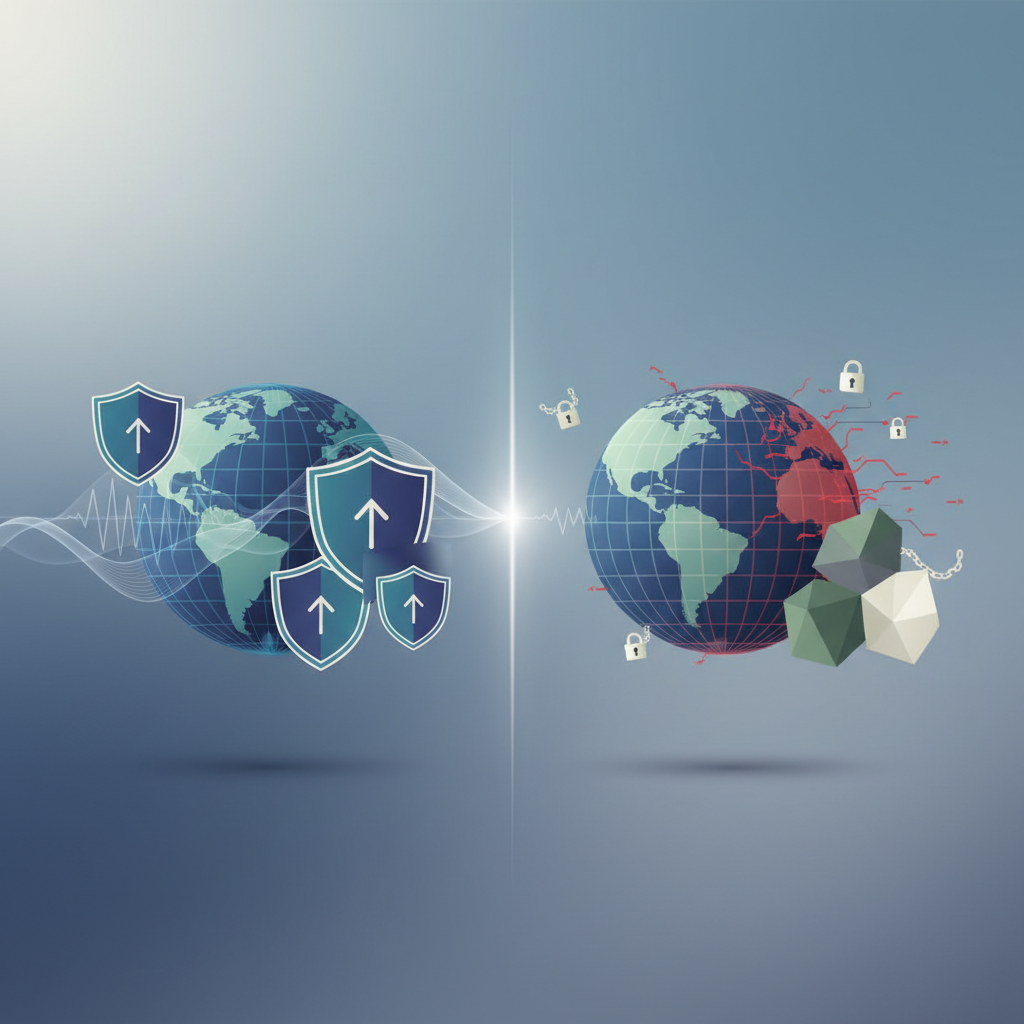
In the current 2026 landscape, the traditional model of hiring disparate boutiques for SEO, content creation, and cybersecurity has become a significant liability. When these functions operate in silos, the resulting data fragmentation prevents search engines from accurately mapping the relationships between a brand’s products, services, and expertise. For instance, a content team might produce high-volume AI-generated articles that lack the technical schema required for AI Overviews, while a separate security team might implement firewalls that inadvertently block essential search crawlers. This lack of coordination creates “semantic gaps” where the intended meaning of a brand’s digital presence is lost in translation. An integrated agency solves this by aligning every department under a single strategic roadmap, ensuring that technical deployments support content goals and that security measures do not compromise crawl efficiency or user experience.
Evolution from Lexical Search to Semantic Entity Management
The shift from lexical search to semantic understanding, which began years ago with updates like Hummingbird, RankBrain, and BERT, has reached its maturity in 2026. Search engines no longer look for simple keyword matches; they analyze the contextual relationships between concepts to satisfy complex user intent. An integrated agency understands that a query for “high-performance laptops” requires more than just a list of specifications. It requires a comprehensive web of related terms—such as thermal management, neural processing units, and encrypted storage—all structured to prove the brand’s depth of knowledge. By moving beyond outdated practices like keyword stuffing and focusing on building a robust topical map, these agencies help search engines categorize a brand as a definitive authority. This approach treats the brand as a distinct entity with specific attributes, such as content relevance, depth of coverage, and contextual understanding, rather than just a collection of disconnected web pages.
Comparing Specialized Boutiques versus Holistic Partnerships
While specialized boutiques offer deep expertise in narrow fields, they often fail to account for the “Authority Ecosystem” that AI engines use to verify information in 2026. A holistic integrated agency manages the brand’s presence across a wide array of authoritative sources, including Wikipedia, industry databases, and social platforms, using sameAs properties in structured data to link these entities. In contrast, a siloed approach often leads to conflicting “triples”—the head-relation-tail logic (e.g., “Product X” “is used for” “Task Y”) that AI uses to populate its knowledge base. When an agency integrates technical SEO with high-level strategy, they ensure that every piece of structured data, from Organization schema to FAQ markup, is consistent across the entire web. This level of synchronization, supported by AI-driven NLP tools that enhance synchronization across platforms by aligning language and concepts, is difficult to achieve when managing multiple vendors who may use different naming conventions or prioritize different data points.
Why an Integrated Agency Model Dominates the 2026 Landscape
The primary advantage of the integrated model in 2026 is the ability to scale content production without sacrificing semantic depth. By utilizing advanced NLP-based suggestions and real-time content optimization, these agencies can build out entire topic clusters rapidly. However, unlike the low-quality bulk generation seen in previous years, an integrated agency applies a “Content Genius” approach that involves a detailed methodology of understanding user intent, identifying precise content needs, and delivering structured information tailored to those needs. They differentiate between informational and commercial needs, ensuring that a user looking for “cybersecurity best practices” receives deep, educational content, while someone searching for “VPN services” is guided through a clear commercial journey. This end-to-end workflow—from generating a topical map to deploying server-side rendered HTML—minimizes the technical risks associated with client-side JavaScript, which can still lead to indexing delays and crawl budget issues if not managed correctly.
Implementing a Semantic-First Strategy with Your Partner
To transition to this modern model, organizations should begin with a comprehensive content audit led by their integrated agency. This audit identifies opportunities to consolidate thin or overlapping pages into “pillar” resources that serve as the foundation for new topic clusters. In 2026, the focus is on enriching high-performing assets with structured data that defines offerings as distinct entities with detailed attributes like pricing, categories, and aggregated reviews. A pilot program focusing on one or two high-priority clusters allows the agency to demonstrate the value of this unified approach before a full-site overhaul. This stage should also articulate clear steps to implement the transition, such as defining new internal workflows, training staff, and setting benchmarks for success evaluation. This phase also includes the deployment of JSON-LD markup for FAQ and How-To pages, making the content highly digestible for AI discovery tools and increasing the likelihood of being featured in zero-click search results.
Balancing AI Automation with Human Oversight and Security
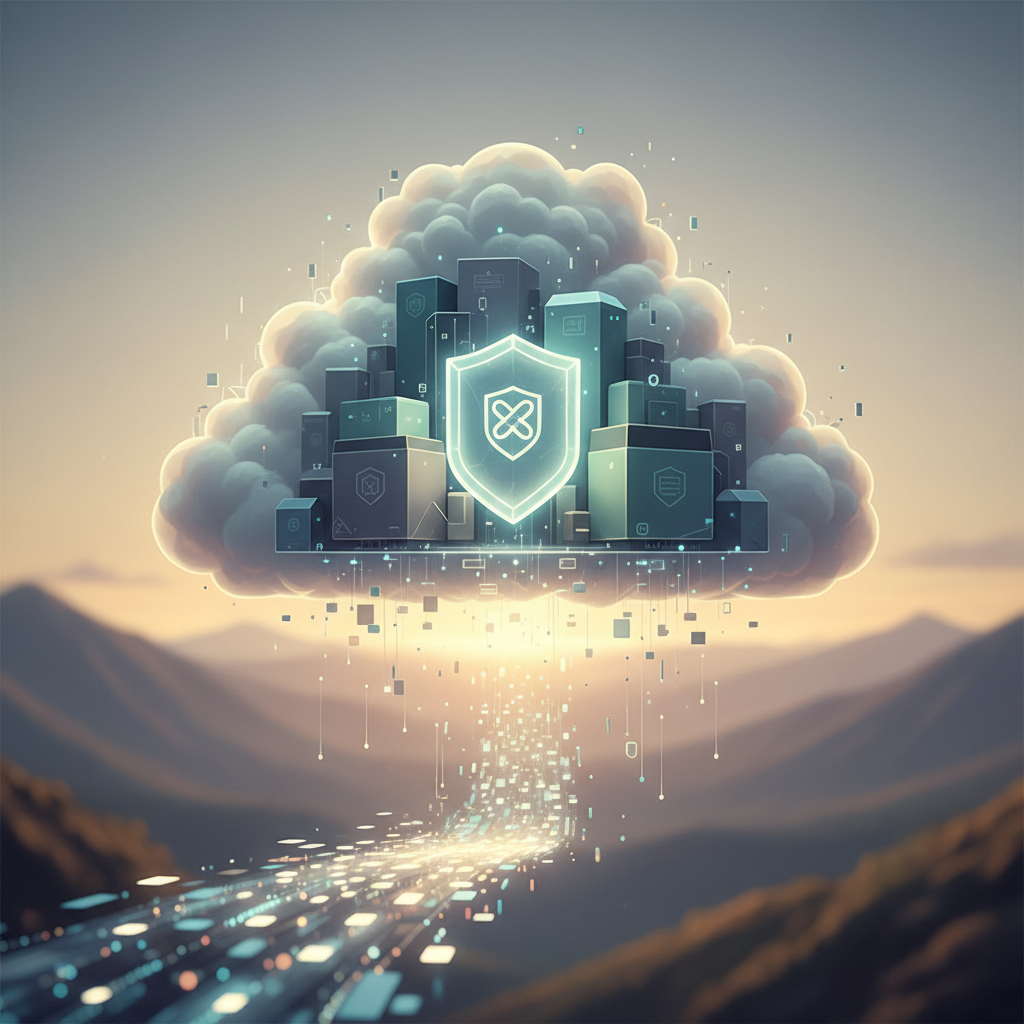
A critical component of the integrated agency’s value proposition in 2026 is the marriage of AI-driven efficiency and rigorous human oversight. While tools can generate hundreds of articles to cover a niche, human experts are required to ensure the context remains accurate and the brand voice remains authentic. Furthermore, the integration of cybersecurity into the marketing workflow ensures that the data architecture used for SEO is not vulnerable to exploitation. For example, as brands implement more complex schema and interconnected data feeds, the risk of “entity hijacking” increases. An integrated agency monitors the brand’s digital footprint across the entire authority ecosystem, explicitly defining components such as the integration of trusted third-party endorsements, structured content formats, and consistent narrative messaging. This proactive management protects the brand’s reputation and its hard-won search rankings from sophisticated digital threats.
Securing Your Competitive Edge through Unified Strategy
Conclusion: The transition to an integrated agency model is the most effective way to navigate the complexities of semantic search and AI-driven discovery in 2026. By unifying content, technology, and security, your organization can build a deep, authoritative presence that satisfies both users and algorithms. Now is the time to audit your current vendor relationships and consolidate your strategy under a single, holistic partner to ensure long-term visibility and growth.
How does an integrated agency improve my search visibility in 2026?
An integrated agency improves search visibility by aligning your technical architecture with semantic content strategies. In 2026, search engines prioritize brands that demonstrate topical authority and entity consistency across the web. By managing your topical maps, structured data, and authority ecosystem in a unified manner, an integrated agency ensures that AI discovery engines can easily crawl, index, and trust your information. This reduces data silos and technical errors, such as JavaScript rendering issues, that often hinder visibility in fragmented marketing setups.
What is the difference between an integrated agency and a full-service marketing firm?
An integrated agency specifically focuses on the deep synchronization of technology, data architecture, and content to meet semantic search requirements. While a traditional full-service firm might offer various services under one roof, an integrated agency in 2026 ensures those services share a single data source and strategic framework. This includes using AI-driven NLP tools to maintain thematic depth across all channels and implementing advanced JSON-LD schema that links your brand entity to authoritative external profiles, creating a more cohesive digital presence than standard marketing firms.
Why is cybersecurity a necessary component of an integrated agency in 2026?
Cybersecurity is essential because the interconnected nature of 2026 digital marketing creates new vulnerabilities in your data architecture. As integrated agencies deploy complex schemas and automate content across multiple platforms, protecting the integrity of these “entities” becomes critical. A security breach that alters your structured data or hijacks your brand’s “sameAs” links can destroy years of topical authority and trust. By including security in the marketing workflow, an integrated agency protects your search rankings and ensures that your technical SEO deployments are resilient against modern digital threats.
Can I achieve the same results by managing multiple specialized boutiques?
Achieving the same results with multiple boutiques is significantly more difficult due to the coordination overhead and risk of semantic inconsistency. In 2026, search engines look for a “web of meaning” that requires perfect alignment between technical SEO, content depth, and off-page authority management. When separate agencies handle these tasks, gaps often emerge in the brand’s knowledge graph representation. An integrated agency eliminates these gaps by using a centralized workflow, ensuring that every piece of content and every line of code reinforces the same strategic entities and user intent goals.
Which industries benefit the most from hiring an integrated agency?
Industries with high informational complexity and significant competition, such as AI software, cybersecurity, and financial services, benefit most from an integrated agency. These sectors require the highest levels of topical authority and “Experience, Expertise, Authoritativeness, and Trustworthiness” (E-E-A-T) to rank in 2026. An integrated agency helps these brands navigate complex user journeys by providing comprehensive answers to potential questions, structuring technical data for AI Overviews with attributes that support semantic relevance, and managing a consistent presence across the authoritative ecosystems that modern search engines use to verify factual claims.
===SCHEMA_JSON_START===
{
“meta_title”: “Integrated Agency: 5 Strategic Advantages for Brands in 2026”,
“meta_description”: “Learn how an integrated agency unifies AI content, cybersecurity, and semantic SEO to build topical authority and drive growth in the 2026 digital landscape.”,
“focus_keyword”: “integrated agency”,
“article_schema”: {
“@context”: “https://schema.org”,
“@type”: “Article”,
“headline”: “Integrated Agency: 5 Strategic Advantages for Brands in 2026”,
“description”: “Learn how an integrated agency unifies AI content, cybersecurity, and semantic SEO to build topical authority and drive growth in the 2026 digital landscape.”,
“datePublished”: “2026-01-01”,
“author”: { “@type”: “Organization”, “name”: “Site editorial team” }
},
“faq_schema”: {
“@context”: “https://schema.org”,
“@type”: “FAQPage”,
“mainEntity”: [
{
“@type”: “Question”,
“name”: “How does an integrated agency improve my search visibility in 2026?”,
“acceptedAnswer”: {
“@type”: “Answer”,
“text”: “An integrated agency improves search visibility by aligning your technical architecture with semantic content strategies. In 2026, search engines prioritize brands that demonstrate topical authority and entity consistency across the web. By managing your topical maps, structured data, and authority ecosystem in a unified manner, an integrated agency ensures that AI discovery engines can easily crawl, index, and trust your information. This reduces data silos and technical errors, such as JavaScript rendering issues, that often hinder visibility in fragmented marketing setups.”
}
},
{
“@type”: “Question”,
“name”: “What is the difference between an integrated agency and a full-service marketing firm?”,
“acceptedAnswer”: {
“@type”: “Answer”,
“text”: “An integrated agency specifically focuses on the deep synchronization of technology, data architecture, and content to meet semantic search requirements. While a traditional full-service firm might offer various services under one roof, an integrated agency in 2026 ensures those services share a single data source and strategic framework. This includes using AI-driven NLP tools to maintain thematic depth across all channels and implementing advanced JSON-LD schema that links your brand entity to authoritative external profiles, creating a more cohesive digital presence than standard marketing firms.”
}
},
{
“@type”: “Question”,
“name”: “Why is cybersecurity a necessary component of an integrated agency in 2026?”,
“acceptedAnswer”: {
“@type”: “Answer”,
“text”: “Cybersecurity is essential because the interconnected nature of 2026 digital marketing creates new vulnerabilities in your data architecture. As integrated agencies deploy complex schemas and automate content across multiple platforms, protecting the integrity of these “entities” becomes critical. A security breach that alters your structured data or hijacks your brand’s “sameAs” links can destroy years of topical authority and trust. By including security in the marketing workflow, an integrated agency protects your search rankings and ensures that your technical SEO deployments are resilient against modern digital threats.”
}
},
{
“@type”: “Question”,
“name”: “Can I achieve the same results by managing multiple specialized boutiques?”,
“acceptedAnswer”: {
“@type”: “Answer”,
“text”: “Achieving the same results with multiple boutiques is significantly more difficult due to the coordination overhead and risk of semantic inconsistency. In 2026, search engines look for a “web of meaning” that requires perfect alignment between technical SEO, content depth, and off-page authority management. When separate agencies handle these tasks, gaps often emerge in the brand’s knowledge graph representation. An integrated agency eliminates these gaps by using a centralized workflow, ensuring that every piece of content and every line of code reinforces the same strategic entities and user intent goals.”
}
},
{
“@type”: “Question”,
“name”: “Which industries benefit the most from hiring an integrated agency?”,
“acceptedAnswer”: {
“@type”: “Answer”,
“text”: “Industries with high informational complexity and significant competition, such as AI software, cybersecurity, and financial services, benefit most from an integrated agency. These sectors require the highest levels of topical authority and “Experience, Expertise, Authoritativeness, and Trustworthiness” (E-E-A-T) to rank in 2026. An integrated agency helps these brands navigate complex user journeys by providing comprehensive answers to potential questions, structuring technical data for AI Overviews with attributes that support semantic relevance, and managing a consistent presence across the authoritative ecosystems that modern search engines use to verify factual claims.”
}
}
]
}
}
===SCHEMA_JSON_END===