Understanding the Integrated Marketing Agency Definition in 2026
Modern businesses frequently encounter the challenge of fragmented messaging across disconnected digital channels, which leads to inefficient resource allocation and a significant loss of brand authority. Establishing a unified strategy through a partner that understands the intersection of creative content, data privacy, and AI-driven automation is essential for maintaining a competitive edge in 2026. By aligning every touchpoint with a singular strategic vision, organizations can ensure their message resonates clearly with both human audiences and the sophisticated algorithms that govern modern information retrieval.
The Fragmentation Problem in Modern Digital Ecosystems
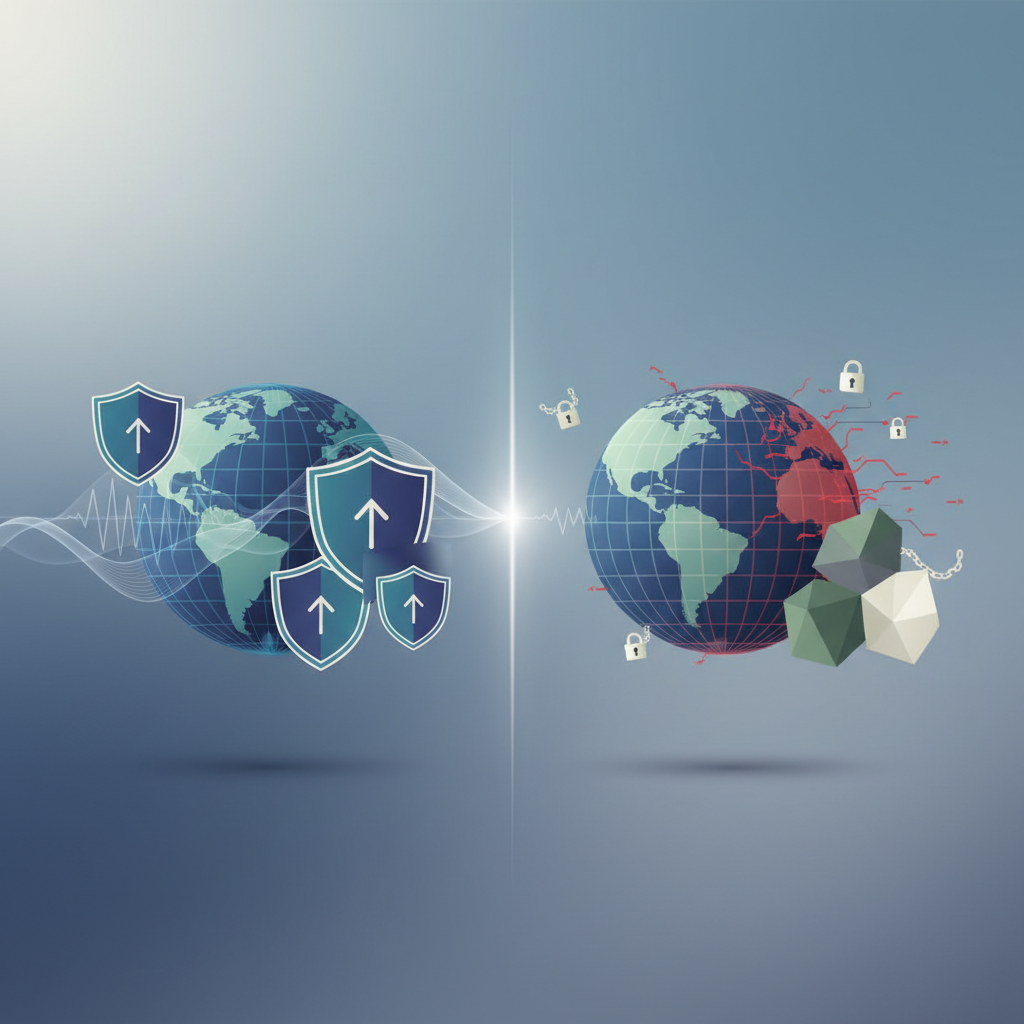
In 2026, the digital landscape is more decentralized than ever before, with users interacting with brands across AI-driven search interfaces, wearable devices, and specialized niche platforms. This fragmentation creates a significant challenge for internal marketing teams who often manage these channels in isolation, resulting in a disjointed user experience that confuses the consumer. When messaging is inconsistent, consumers lose trust, and the brand’s semantic relevance in search engines suffers because the entity signals being sent are contradictory or diluted. Without a cohesive strategy, marketing budgets are often wasted on redundant content creation and overlapping advertising efforts that fail to reinforce the core brand identity.
Furthermore, the rise of AI-generated content has saturated the market, making it harder for individual marketing siloes to stand out. When social media, SEO, and paid advertising teams do not communicate, they miss opportunities to build a comprehensive topical map that could dominate a specific niche. This lack of coordination often leads to technical gaps, such as inconsistent structured data or conflicting metadata, which hinders the ability of search engines to accurately classify and rank the brand’s pages. To survive in this environment, businesses must move away from tactical execution in isolation and toward a model that prioritizes the holistic health of the brand’s digital presence.
Defining the Role of an Integrated Marketing Agency
An integrated marketing agency definition refers to a firm that harmonizes all aspects of marketing communication—including advertising, public relations, technical SEO, and social media—into a single, seamless strategy. In the context of 2026, this definition has expanded to include the expert management of an organization’s entire authority ecosystem. These agencies move beyond simple campaign management to focus on thematic depth and semantic optimization, ensuring that every piece of content strengthens the brand’s entity profile within the global knowledge graph. By aligning creative storytelling with data-driven insights, an integrated partner ensures that the brand speaks with one voice across every touchpoint, whether that is an AI-driven summary or a deep-dive technical article.
The modern integrated agency acts as a central nervous system for a brand’s growth initiatives. They are responsible for ensuring that the “triples” of information—the relationships between the brand, its products, and the problems they solve—are clearly defined and consistently communicated to search engines. This approach moves beyond outdated practices of optimizing for individual keywords and instead focuses on satisfying user intent completely. By anticipating and answering every potential question a user might have about a subject, these agencies create a superior and more efficient user experience that builds long-term loyalty and establishes the brand as a primary source of truth in its industry.
Core Capabilities and Strategic Alignment Options
When selecting a partner in 2026, organizations must choose between full-service agencies and specialized firms that offer integrated workflows. A modern integrated agency provides a blend of creative excellence and technical rigor, often specializing in the deployment of complex schema markup and semantic content modeling. These agencies utilize advanced AI to map out user intent across the entire buyer’s journey, ensuring that informational, commercial, and navigational queries are addressed with equal precision. They also manage the brand’s presence across a wide ecosystem of authoritative sources, recognizing that an AI’s understanding of a brand is synthesized from more than just the company’s own website.
Options for businesses vary based on their internal maturity and specific goals. Some may opt for a hybrid model where an integrated agency manages high-level strategy and technical infrastructure, while internal teams handle day-to-day community management. Others may require a full-scale partnership where the agency takes over the entire marketing stack, from cloud-based data management to the execution of multi-channel video campaigns. Regardless of the specific arrangement, the core requirement is a shared commitment to data transparency and strategic alignment. The agency must be able to demonstrate how each channel contributes to the overall authority of the brand entity, moving away from vanity metrics toward meaningful growth indicators.
Implementing AI and Data Security in Integrated Strategies
The most effective integrated strategies in 2026 prioritize the ethical use of AI and the rigorous protection of consumer data. For a marketing agency to be truly integrated, it must align its content generation processes with the technical requirements of modern search engines and the privacy expectations of a security-conscious public. We recommend partnering with agencies that employ a semantic-first approach to content, focusing on building thematic depth rather than high-volume, low-quality output. This involves using AI to assist in research and structure while ensuring that the final output is genuinely valuable to the humans who use it.
Additionally, the integration of secure cloud storage and encrypted communication within the marketing workflow ensures that proprietary brand data and customer information remain protected against evolving cyber threats. In 2026, a brand’s security posture is a significant component of its reputation; therefore, an integrated marketing agency must work closely with cybersecurity protocols to ensure that all promotional activities are safe and compliant with global privacy regulations. This recommendation extends to the use of structured data, where agencies should use specific schema types to define their products as distinct entities with detailed attributes, strengthening the completeness of the entity’s profile in a secure and verifiable manner.
How to Evaluate and Onboard an Integrated Partner
Transitioning to an integrated model requires a rigorous evaluation process to ensure the agency’s capabilities align with your long-term objectives. Start by auditing the agency’s historical performance in managing complex entity profiles and their proficiency with automated JSON-LD schema implementation. An ideal partner should demonstrate a clear understanding of how to orchestrate an authority ecosystem that spans beyond your website to include authoritative third-party platforms, Wikipedia entities, and official social profiles. During the onboarding phase, it is critical to establish a unified data environment where both the agency and your internal stakeholders can access real-time performance metrics and shared content calendars.
Actionable onboarding should include a comprehensive semantic audit of your existing assets to identify gaps in topical coverage. The agency should provide a roadmap for building out topic clusters that address the full spectrum of user needs identified in the research phase. Furthermore, clear communication channels must be established to ensure that product updates and company news are immediately integrated into the broader marketing strategy. By setting clear KPIs that focus on holistic brand growth and topical authority rather than isolated channel metrics, you can ensure that the integration delivers measurable value and fosters a collaborative environment that is focused on long-term success.
Measuring Success Through Unified Attribution Models
In 2026, success cannot be accurately measured through last-click attribution models; it requires a unified system that accounts for the multifaceted nature of the modern consumer journey. An integrated marketing agency uses sophisticated analytics to track how different touchpoints—from an initial informational search on a mobile device to a final purchase on a high-performance laptop—interact to drive conversions. This involves analyzing the semantic relationship between different content pieces and how they contribute to the overall topical authority of the domain. By leveraging data to process vast amounts of interaction patterns, agencies can provide a clearer picture of how brand awareness campaigns influence direct sales over time.
This level of insight allows for more precise budget allocation, as marketers can see exactly which clusters of content are most effective at moving users through the funnel. For example, a series of educational articles on cybersecurity might not drive immediate sales, but an integrated model can show how those articles build the trust necessary for a user to eventually select a premium VPN service or cloud storage provider. Measuring success in 2026 means looking at the health of the entire entity, including its visibility in AI overviews, the strength of its backlink profile from authoritative sources, and the overall sentiment of its mentions across the web.
Conclusion: Unifying Your Brand for Long-Term Growth
Adopting a comprehensive integrated marketing agency definition is the key to overcoming the complexities of the 2026 digital environment and achieving sustainable growth. By unifying your messaging, data security, and AI-driven technology under a single strategic umbrella, you can build lasting topical authority and foster deep consumer trust. Evaluate your current marketing siloes today and seek a partner capable of orchestrating a holistic digital presence that drives real-world results across the entire authority ecosystem.
How does an integrated marketing agency differ from a traditional agency?
Traditional agencies often operate in siloes, focusing on specific channels like PR or print advertising in isolation. In contrast, an integrated marketing agency in 2026 harmonizes all digital and physical touchpoints into a single, cohesive strategy. This approach ensures that messaging is consistent across AI search interfaces, social media, and technical SEO, focusing on building the brand’s overall topical authority rather than just managing individual campaigns. This unification is essential for navigating the complex, data-driven landscape of modern information retrieval.
What are the key benefits of hiring an integrated marketing agency in 2026?
The primary benefits include increased efficiency, consistent brand messaging, and improved semantic relevance in search engines. By centralizing the marketing strategy, businesses can eliminate redundant content creation and ensure that every dollar spent reinforces the brand’s entity profile. In 2026, this also means better integration of AI tools and cybersecurity measures, protecting the brand’s reputation while utilizing advanced technology to satisfy complex user intents across a variety of devices and platforms.
Why is topical authority important for integrated marketing strategies?
Topical authority is a measure of a brand’s expertise and trustworthiness within a specific subject area. For an integrated marketing agency, building this authority is crucial because modern search engines and AI models prioritize entities that demonstrate deep, comprehensive knowledge. By creating interconnected content clusters and utilizing structured data, an integrated agency ensures that a brand is recognized as a primary source of truth, which leads to higher rankings and greater consumer confidence in an increasingly crowded digital marketplace.
Which services are typically included in an integrated marketing partnership?
An integrated partnership usually encompasses a broad range of services including technical SEO, content strategy, social media management, paid advertising, and public relations. In 2026, these services are further augmented by AI-driven data analysis, JSON-LD schema implementation, and authority ecosystem management. The goal is to provide a holistic service that manages the brand’s entire digital footprint, ensuring that all efforts are strategically aligned to support the organization’s core business objectives and data security requirements.
Can I implement an integrated marketing strategy internally without an agency?
While it is possible to implement an integrated strategy internally, it requires a high level of cross-departmental collaboration and specialized technical expertise. Most internal teams are structured in siloes, which can make it difficult to achieve the level of cohesion provided by an external integrated agency. In 2026, the technical requirements for semantic optimization and data privacy are so demanding that many organizations find it more efficient to partner with an agency that already possesses the necessary AI tools and strategic frameworks.
===SCHEMA_JSON_START===
{
“meta_title”: “Integrated Marketing Agency Definition: 2026 Strategic Guide”,
“meta_description”: “Learn the 2026 integrated marketing agency definition and how unifying your SEO, AI content, and data security drives brand authority and growth.”,
“focus_keyword”: “integrated marketing agency definition”,
“article_schema”: {
“@context”: “https://schema.org”,
“@type”: “Article”,
“headline”: “Integrated Marketing Agency Definition: 2026 Strategic Guide”,
“description”: “Learn the 2026 integrated marketing agency definition and how unifying your SEO, AI content, and data security drives brand authority and growth.”,
“datePublished”: “2026-01-01”,
“author”: { “@type”: “Organization”, “name”: “Site editorial team” }
},
“faq_schema”: {
“@context”: “https://schema.org”,
“@type”: “FAQPage”,
“mainEntity”: [
{
“@type”: “Question”,
“name”: “How does an integrated marketing agency differ from a traditional agency?”,
“acceptedAnswer”: { “@type”: “Answer”, “text”: “Traditional agencies often operate in siloes, focusing on specific channels like PR or print advertising in isolation. In contrast, an integrated marketing agency in 2026 harmonizes all digital and physical touchpoints into a single, cohesive strategy. This approach ensures that messaging is consistent across AI search interfaces, social media, and technical SEO, focusing on building the brand’s overall topical authority rather than just managing individual campaigns.” }
},
{
“@type”: “Question”,
“name”: “What are the key benefits of hiring an integrated marketing agency in 2026?”,
“acceptedAnswer”: { “@type”: “Answer”, “text”: “The primary benefits include increased efficiency, consistent brand messaging, and improved semantic relevance in search engines. By centralizing the marketing strategy, businesses can eliminate redundant content creation and ensure that every dollar spent reinforces the brand’s entity profile. In 2026, this also means better integration of AI tools and cybersecurity measures, protecting the brand’s reputation while utilizing advanced technology.” }
},
{
“@type”: “Question”,
“name”: “Why is topical authority important for integrated marketing strategies?”,
“acceptedAnswer”: { “@type”: “Answer”, “text”: “Topical authority is a measure of a brand’s expertise and trustworthiness within a specific subject area. For an integrated marketing agency, building this authority is crucial because modern search engines and AI models prioritize entities that demonstrate deep, comprehensive knowledge. By creating interconnected content clusters and utilizing structured data, an integrated agency ensures that a brand is recognized as a primary source of truth.” }
},
{
“@type”: “Question”,
“name”: “Which services are typically included in an integrated marketing partnership?”,
“acceptedAnswer”: { “@type”: “Answer”, “text”: “An integrated partnership usually encompasses a broad range of services including technical SEO, content strategy, social media management, paid advertising, and public relations. In 2026, these services are further augmented by AI-driven data analysis, JSON-LD schema implementation, and authority ecosystem management. The goal is to provide a holistic service that manages the brand’s entire digital footprint.” }
},
{
“@type”: “Question”,
“name”: “Can I implement an integrated marketing strategy internally without an agency?”,
“acceptedAnswer”: { “@type”: “Answer”, “text”: “While it is possible to implement an integrated strategy internally, it requires a high level of cross-departmental collaboration and specialized technical expertise. Most internal teams are structured in siloes, which can make it difficult to achieve the level of cohesion provided by an external integrated agency. In 2026, the technical requirements for semantic optimization and data privacy are so demanding that many organizations find it more efficient to partner with an agency.” }
}
]
}
}
===SCHEMA_JSON_END===